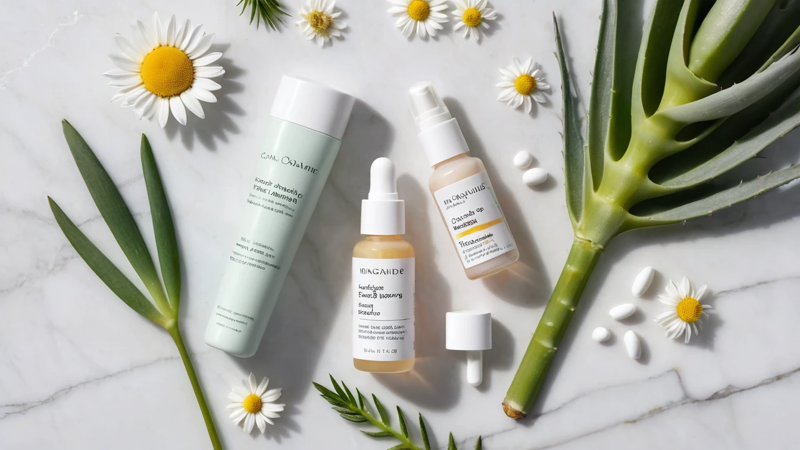
Safe skincare ingredients during pregnancy help protect your baby while keeping your skin healthy, glowing, and irritation-free.
Pregnancy-safe skincare ingredients include zinc oxide, hyaluronic acid, niacinamide, vitamin C, azelaic acid, and gentle plant oils. These ingredients support healthy skin without harming your developing baby. Avoid retinoids, high-dose salicylic acid, hydroquinone, and certain essential oils.
Safe Skincare Ingredients During Pregnancy 🌿✨
Are you staring at your skincare labels wondering, “Is this safe for my baby?” You’re not alone. Pregnancy changes everything — including how you choose your moisturizer.
Here’s the clear answer: yes, you can use skincare during pregnancy, but you must choose safe ingredients. Some common products contain chemicals that may not be pregnancy-safe. Your goal is simple: protect your skin and your growing baby.
Let’s break it down in the easiest way possible.
Why Ingredient Safety Matters During Pregnancy 🤰💛
When you’re pregnant, your body becomes more sensitive. Hormones shift quickly. Your skin may react differently than before.
Some skincare ingredients absorb into your bloodstream. Small amounts may cross the placenta. That’s why doctors often suggest avoiding strong chemicals.
Think of it like this: your skin is a sponge. What goes on it can sometimes go inside it. So choosing safe skincare ingredients during pregnancy becomes essential.
How Pregnancy Changes Your Skin 🧴🌸
Pregnancy hormones increase oil production. You may notice acne, dryness, or dark patches. Melasma is very common.
Stretch marks may also appear. Your skin may feel itchy as it stretches. These changes are normal.
Because your skin is more reactive, gentle skincare works best. Harsh treatments can worsen sensitivity.
Ingredients Considered Safe During Pregnancy ✅
Many ingredients are completely safe. These are mild, supportive, and dermatologist-approved for pregnancy.
Here’s a quick overview:
| Safe Ingredient | What It Does | Why It’s Safe |
| Zinc Oxide | Mineral sunscreen | Sits on skin, not absorbed |
| Hyaluronic Acid | Deep hydration | Naturally found in body |
| Niacinamide | Brightens, calms | Vitamin B3, gentle |
| Vitamin C | Boosts glow | Antioxidant, low absorption |
| Azelaic Acid | Fights acne | Safe topical use |
These ingredients are widely used in pregnancy-safe skincare routines.
Best Pregnancy-Safe Cleansing Ingredients 🧼✨
Cleansing is the first step. Choose sulfate-free cleansers. Look for gentle foaming or cream-based formulas.
Safe cleansing ingredients include:
- Glycerin
- Aloe vera
- Chamomile extract
- Green tea extract
Avoid strong exfoliating acids daily. Gentle cleansing prevents irritation and keeps your skin barrier healthy.
Pregnancy-Safe Moisturizing Ingredients 💧🤍
Hydration is key during pregnancy. Dryness is very common.
Look for:
- Shea butter
- Ceramides
- Hyaluronic acid
- Squalane
These ingredients repair the skin barrier. They also reduce itching. Soft, calm skin feels so much better.
Safe Sunscreen Ingredients During Pregnancy ☀️🛡️
Sun protection is non-negotiable. Pregnancy increases melasma risk.
Choose mineral sunscreen with:
- Zinc oxide
- Titanium dioxide
Here’s a simple comparison:
| Mineral Sunscreen | Chemical Sunscreen |
| Sits on skin | Absorbs into skin |
| Low irritation | Higher absorption |
| Pregnancy-safe | Some types debated |
Mineral sunscreens are the safest choice during pregnancy.
Acne-Fighting Ingredients That Are Pregnancy Safe 🌿
Breakouts during pregnancy are frustrating. But you can treat them safely.
Safe options include:
- Azelaic acid
- Low-dose glycolic acid
- Niacinamide
- Sulfur
Avoid oral acne medications and retinoids. Gentle treatments work better long term.
Ingredients To Avoid During Pregnancy 🚫
Some skincare ingredients are not recommended.
Avoid:
- Retinoids (retinol, tretinoin)
- High-dose salicylic acid
- Hydroquinone
- Formaldehyde
- Phthalates
Here’s a quick breakdown:
| Ingredient | Why Avoid |
| Retinoids | Linked to birth defects |
| Hydroquinone | High absorption rate |
| Oral salicylic acid | Similar to aspirin risk |
| Formaldehyde | Toxic preservative |
Always check labels carefully.
What About Salicylic Acid? 🤔
Low concentrations under 2% in cleansers are often considered acceptable. However, high-strength peels are not advised.
If unsure, ask your doctor. Spot treatments are usually safer than full-face applications.
Moderation is key here.
Is Vitamin C Safe During Pregnancy? 🍊✨
Yes, vitamin C is generally safe. It brightens dull skin and helps reduce pigmentation.
It also supports collagen production. That means firmer-looking skin.
Choose stable forms like ascorbic acid in moderate strength. Avoid extremely high percentages.
Can You Use Anti-Aging Products While Pregnant? 💆♀️
Yes, but avoid retinol. Instead, try:
- Peptides
- Niacinamide
- Vitamin C
- Hyaluronic acid
These support youthful skin safely. You don’t need harsh treatments right now.
Remember, pregnancy glow is real ✨.
Natural Does Not Always Mean Safe 🌱
Many assume natural products are safer. That’s not always true.
Some essential oils may trigger contractions. Others cause irritation.
Avoid heavy use of:
- Rosemary oil
- Clary sage
- Undiluted tea tree oil
Always research before applying plant-based treatments.
Building A Simple Pregnancy Skincare Routine 🧴
Keep it simple. Your skin needs calm care.
Morning Routine:
- Gentle cleanser
- Vitamin C serum
- Moisturizer
- Mineral sunscreen
Evening Routine:
- Gentle cleanse
- Niacinamide or azelaic acid
- Rich moisturizer
Less is more during pregnancy.
Stretch Mark Care During Pregnancy 🤍
Stretch marks are common. Genetics play a big role.
Safe moisturizing ingredients help reduce dryness:
- Cocoa butter
- Shea butter
- Vitamin E
- Hyaluronic acid
Massage improves circulation. But remember, no cream guarantees prevention.
How To Read Skincare Labels Properly 📋
Turn the product around. Look at the ingredient list, not marketing claims.
Ingredients are listed in descending order. The first five matter most.
If you see “retinyl,” “tretinoin,” or “adapalene,” put it back.
Being label-smart protects you and your baby.
When To Talk To Your Doctor 🩺
If you have severe acne, eczema, or rosacea, consult your OB-GYN or dermatologist.
Always ask before using prescription creams. Your doctor can recommend pregnancy-safe alternatives.
It’s better to ask than guess.
Conclusion 🌸
Safe skincare ingredients during pregnancy focus on gentle hydration, mineral sun protection, and mild acne treatments. Avoid retinoids, hydroquinone, and strong acids. Choose simple routines with trusted ingredients like zinc oxide, hyaluronic acid, and niacinamide.
Your skin may change during pregnancy, but safe care keeps it healthy. When in doubt, always check with your doctor. Healthy mom, healthy baby 💛.
FAQs
What skincare ingredients are safest in early pregnancy?
Zinc oxide, hyaluronic acid, and niacinamide are safe choices. These ingredients are gentle and low absorption. Avoid retinoids immediately.
Can I use salicylic acid face wash daily?
Low-dose salicylic acid under 2% is usually safe in cleansers. Avoid strong peels. Always confirm with your doctor.
Is retinol safe during pregnancy for acne?
No, retinol is not recommended during pregnancy. It may affect fetal development. Choose azelaic acid instead.
Which sunscreen is best while pregnant?
Mineral sunscreen with zinc oxide is best. It sits on top of the skin. It protects without heavy absorption.
Are natural skincare products always pregnancy safe?
Not always. Some essential oils can cause irritation. Always read labels carefully.