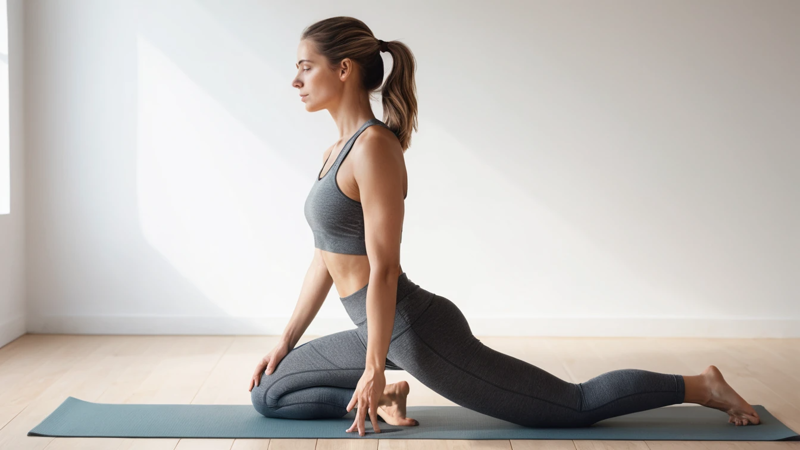
Hands on your knees — discover why this simple stance can boost posture, relieve stress, and build confidence in daily life.
Placing your hands on your knees is a simple but effective stance that can help you reset posture, relieve tension in hips and lower back, and project calm confidence. Whether you’re pausing during a workout or taking a mental break, this position offers both physical and mental benefits.
Hands On Your Knees: Why This Simple Move Is More Powerful Than You Think
Ever found yourself standing, paused mid-day, with your hands resting on your knees and wondered, “What’s this actually doing for me?” Well, you’re about to find out how this little stance can be a real game-changer.
Here’s the short version: the hands-on-your-knees position shifts your weight, relaxes your spine and hips, and gives you a grounded break from constant tension. It improves posture, encourages breathing, and even boosts mental clarity.
Let’s dive into how, why, and when you should use it — plus some practical ways to incorporate it into your day.
The Literal Meaning Of “Hands On Your Knees” 🦵
When you place your hands on your knees, you’re literally supporting your upper body with your arms while your hips bend, your knees take some load, and your spine straightens. It’s a physical reset.
This pose is similar to being on your hands and knees, meaning both your palms and knees touch the ground.
Though the phrase “hands on your knees” is less extreme — you’re upright, not crawling.
Physically, it invites your body to shift into a more relaxed alignment: your shoulders drop, your chest opens, your breathing deepens.
Why It Matters: Posture & Muscles
Your body spends hours each day in sitting, slouching, leaning. By simply placing hands on your knees and bending slightly forward, you:
- lighten the load on your lower back
- engage your core subtly
- open your chest and improve breathing
- relieve hip-flexor tension
The result? Better posture, less fatigue. This small move invites a micro-break for your body.
Mental & Emotional Benefits
This stance isn’t only physical. There’s a quiet psychological shift that happens when you rest your hands on your knees.
Your breathing slows. Your mind takes a moment. You become less reactive, more grounded. It’s almost like a reset position when you’re feeling scattered. That pause helps you gather thoughts, regain focus, and breathe with purpose.
Hands On Your Knees In Different Contexts
You’ll see this stance pop up in:
- Workouts like HIIT or circuit training, when you pause between sets.
- Sports when an athlete bends over resting hands on knees to catch breath.
- Life-moments — after a long day of standing or just before starting a big task.
Because it’s simple, you can use it anywhere.
How To Do It Correctly ✅
Let’s walk through the steps:
- Stand with feet about hip-width apart.
- Bend your knees slightly (not locked).
- Place your hands gently on top of your knees.
- Shift your weight forward a bit, let your chest open.
- Breathe deeply for 3-5 breaths, then return upright.
Key points: keep your spine neutral, don’t hunch. Make this a pause, not a slump.
Quick Comparison Table
| Move | Focus | Benefit |
| Standing upright | Load on spine & hips | Normal posture, static |
| Hands on knees stance | Shifted load, hip bend | Micro-reset, relief |
| On hands & knees (crawling) | Full load on knees & palms | Crawling, low posture |
When You Should Use This Move
Here are three ideal moments:
- After long periods of sitting: you’ve been locked into a chair and your hips and back need a break.
- During exercise breaks: when your heart’s pounding and you need to catch your breath.
- Before a challenging task: you feel a little scattered and you just want a moment to centre yourself.
Each time, your body posture resets and your mind quiets down.
Mistakes To Avoid
Sure, it’s simple—but even simple things can be done badly. Here’s what to avoid:
- Slumping excessively into the knees (instead of bending gently).
- Letting your shoulders creep up toward your ears—keep them relaxed.
- Holding the position too long without breathing or returning upright—it’s meant as a pause, not a rest state.
- Doing it when you’re dizzy or light-headed—if you feel unstable, stand upright.
Benefits Backed By Simple Science
While this specific stance doesn’t have a tonne of dedicated research, the principles are solid: shifting posture relieves spinal compression, opening the chest improves oxygen flow, hip bending reduces stiffness.
In everyday posture studies, getting off the typical slouch and into a neutral spine EVERY so often is proven to help skeletal alignment and reduce fatigue.
Benefits At Glance
| Benefit | Why It Works |
| Better posture | Bending forward shifts load, opens chest |
| Reduced back & hip tension | Relieves locked hip flexors and tight back muscles |
| Mental reset | Pause in motion = moment to breathe & refocus |
| Quick accessibility | No equipment needed, do it anywhere |
Variations And Enhancements
Want to spice it up? Here are some options:
- Add a twist – while hands on knees, gently twist your torso side to side.
- Extend the arms – place fingertips lightly on knees but reach forward with chest for stretch.
- Use a chair – sit on the edge, then lean forward putting your hands on knees; good for office breaks.
These tweaks keep the core idea (hands + knees, slight bend) but allow for stretch, mobility, or desk-friendly versions.
Can It Help With Exercises Or Training?
Yes. If you’re working out, this stance can serve as a rest-active posture:
- Between sets, instead of plopping down, pause hands on knees for 10–15 seconds.
- At the end of a cardio sprint, bend over, hands on knees, breathe.
- Use it in warm-up or cool-down to shift your body alignment.
It helps signal to your body: pause, reset, go again.
Integration Into Routine
| Time of Day | Use Case | Duration |
| Morning | After waking, before work | 30 seconds |
| Mid-day | After prolonged sitting | 15 seconds |
| Workout | Between intense sets | 10-20 seconds |
| Evening | Before relaxing or stretching | 30-60 seconds |
Why You’ll Actually Do It (And Stick With It)
Because it’s easy. No tools, no long instructions, just a tiny shift.
You’ll love it because:
- It feels good — immediate relief in hips/back.
- It’s quick — you can do it next to your desk, in the gym, or at home.
- It offers mental clarity — the physical cue to pause helps your brain reset.
And when we stick with something that actually feels helpful? That’s when it becomes part of our day.
Real-Life Scenarios Where It Helps
- You’ve been on Zoom for two hours and your posture is crumbling. Hands on knees = micro-reset.
- You just finished a 400-meter sprint, bent over with hands on knees to catch your breath.
- You’re prepping for a presentation, feeling a bit shaky. One moment of this stance helps centre you.
- You’re playing with kids on the floor, get up for a second, stretch into this stance before moving on.
In each, you’re giving your body a small gift: alignment, breath, pause.
Final Thoughts Before You Try It
So next time you catch yourself stiff, slouched, or mentally tired—pause. Place your hands on your knees. Breathe. Let your body shift. Let your brain breathe.
You don’t need to make it dramatic. Just a moment. Your hips, back, and mind will thank you.
Conclusion
Putting your hands on your knees isn’t just a random pose — it’s a simple tool for better posture, physical relief, and mental clarity. By bending slightly, opening your chest, and taking a breath, you reset your body and your mind. Use it throughout your day: after sitting, during breaks, before big tasks. Make this tiny move your ally, and you’ll find yourself feeling steadier, stronger, and more present.
FAQs
Q1: What is the correct posture when placing hands on your knees?
Stand with feet hip-width, bend knees gently, hands resting on knees, spine neutral. Keep shoulders relaxed and breathe deeply for a few seconds.
Q2: Can the hands on knees position help ease lower back pain?
Yes — by shifting weight off the lower spine and opening your chest, you relieve compression and allow your hips to relax. Use it as a brief reset position.
Q3: How long should I hold the hands on your knees stance?
Typically 10–60 seconds is enough. You’re not holding a pose—it’s a pause. Breathe, feel the shift, and then resume whatever you were doing.
Q4: Is this posture useful during workouts or sports?
Absolutely. Use it between high-intensity efforts to catch your breath and reset your alignment. Many athletes naturally adopt it when fatigued.
Q5: Can placing hands on knees improve breathing or mental focus?
Yes — the slight bend opens your torso, encourages fuller breaths, and the act of pausing helps your mind down-shift and refocus.