Anti-inflammatory diet for autoimmune diseases helps reduce flare-ups, ease pain, and support healing with simple, everyday food choices.
Anti-inflammatory diet for autoimmune diseases focuses on whole, nutrient-rich foods that calm inflammation, support the immune system, and reduce flare-ups. It limits trigger foods while emphasizing fruits, vegetables, healthy fats, and lean proteins to help the body heal naturally.
Have you ever wondered why some foods make your symptoms worse, while others make you feel calmer and lighter? Many people with autoimmune conditions notice this pattern fast. What you eat can either fuel inflammation or help cool it down. The good news? You have more control than you think.
An anti-inflammatory diet for autoimmune diseases is not about strict rules. It’s about smart, steady food choices that support your body every day 😊. This approach helps lower chronic inflammation, improve gut health, and reduce symptom flare-ups over time.
Anti-Inflammatory Diet For Autoimmune Diseases 🌿
Understanding Autoimmune Inflammation 🔥
Autoimmune diseases happen when the immune system attacks healthy cells. This triggers ongoing inflammation in the body. Over time, that inflammation causes pain, fatigue, and tissue damage. Food can either calm this response or make it worse.
Many processed foods push the immune system into overdrive. Sugar, refined carbs, and unhealthy fats are common triggers. On the flip side, whole foods send calming signals to the immune system. That’s where an anti-inflammatory diet helps the most.
How Diet Impacts Immune Balance ⚖️
Your immune system reacts strongly to what you eat. Poor food choices increase gut inflammation. That inflammation spreads throughout the body. This makes autoimmune symptoms harder to control.
Anti-inflammatory foods work differently. They support gut bacteria and reduce oxidative stress. Over time, this helps restore immune balance. Small daily choices can lead to big long-term improvements 💚.
Core Principles Of An Anti-Inflammatory Diet 🥗
This diet focuses on real, whole foods. It avoids items that spike blood sugar or stress the immune system. Balance is key, not perfection.
The main principles include:
- Eating colorful fruits and vegetables
- Choosing healthy fats over processed oils
- Prioritizing clean protein sources
- Avoiding artificial additives and excess sugar
These basics form a strong foundation for healing.
Best Anti-Inflammatory Foods To Eat 🫐
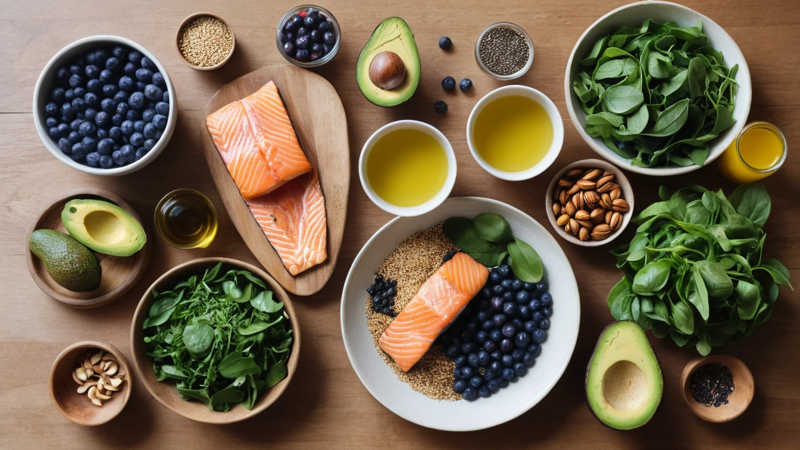
Certain foods naturally fight inflammation. They contain antioxidants, omega-3s, and fiber. These nutrients help protect cells and calm immune reactions.
Some top choices include:
- Leafy greens like spinach and kale
- Fatty fish such as salmon
- Berries, especially blueberries
- Olive oil and avocado
- Nuts and seeds
Eating these foods often supports steady energy and fewer flare-ups.
Foods That Can Trigger Autoimmune Flares 🚫
Some foods act like fuel on a fire. They raise inflammation levels quickly. Many people feel worse within hours or days of eating them.
Common triggers include:
- Refined sugar and soda
- White bread and pastries
- Fried foods
- Processed meats
- Artificial sweeteners
Removing these foods can feel tough at first. But many people notice relief within weeks.
Anti-Inflammatory Foods Vs Trigger Foods 🧠
| Anti-Inflammatory Choices | Inflammatory Triggers |
| Fresh vegetables | Processed snacks |
| Fatty fish | Sugary drinks |
| Olive oil | Trans fats |
| Whole grains | Refined carbs |
| Herbs and spices | Artificial additives |
This simple comparison helps guide everyday decisions. Choose foods that heal, not harm.
The Role Of Healthy Fats 🥑
Not all fats are bad. In fact, healthy fats are essential for autoimmune health. Omega-3 fats help reduce joint pain and stiffness. They also support brain and heart health.
Great sources include:
- Salmon and sardines
- Flaxseeds and chia seeds
- Walnuts
- Extra virgin olive oil
Avoiding processed oils makes a big difference. Your body responds better to natural fats.
Why Gut Health Matters So Much 🦠
Your gut controls much of your immune system. When the gut lining is damaged, inflammation spreads. This is often called “leaky gut.”
Anti-inflammatory foods help heal the gut lining. Fiber feeds good bacteria. Fermented foods support digestion. A healthy gut means fewer autoimmune flare-ups 😊.
Anti-Inflammatory Spices And Herbs 🌶️
Spices do more than add flavor. Many have powerful anti-inflammatory effects. They help reduce swelling and oxidative stress naturally.
Top choices include:
- Turmeric with black pepper
- Ginger
- Garlic
- Cinnamon
- Rosemary
Adding these daily can gently support immune balance.
Sample One-Day Anti-Inflammatory Meal Plan 🍽️
| Meal | Food Ideas |
| Breakfast | Oatmeal with berries and walnuts |
| Lunch | Grilled salmon salad with olive oil |
| Snack | Apple with almond butter |
| Dinner | Roasted vegetables and quinoa |
| Drink | Green tea or water |
This sample shows how simple and satisfying this lifestyle can be. No extreme dieting needed.
Managing Sugar And Blood Sugar Spikes 🍭
Sugar increases inflammation fast. It also feeds harmful gut bacteria. This creates a cycle of fatigue and cravings.
Reducing sugar helps stabilize energy levels. Focus on natural sweetness from fruit. Pair carbs with protein and fat. This slows blood sugar spikes and keeps inflammation lower.
Protein Choices That Support Healing 🍗
Protein is essential for repair and immune function. But quality matters. Processed meats increase inflammation. Clean proteins support recovery.
Better protein options include:
- Wild-caught fish
- Organic poultry
- Beans and lentils
- Eggs
- Plant-based proteins
Balanced protein intake helps maintain muscle and energy.
Hydration And Inflammation 💧
Dehydration increases inflammation. Water helps flush toxins from the body. It also supports digestion and joint health.
Aim for steady hydration throughout the day. Herbal teas are a great addition. Avoid sugary drinks and excess caffeine. Simple hydration habits bring real benefits.
Eating Out On An Anti-Inflammatory Diet 🍴
Eating out doesn’t have to derail progress. Most restaurants offer simple swaps. Grilled foods are better than fried. Ask for olive oil instead of butter.
Helpful tips:
- Choose vegetables as sides
- Avoid creamy sauces
- Skip sugary drinks
- Eat slowly and mindfully
Planning ahead reduces stress and helps you stay consistent.
How Long Until You See Results ⏳
Everyone is different. Some people feel better within two weeks. Others need a few months. Consistency matters more than speed.
Improvements often include:
- Less joint pain
- Better digestion
- More stable energy
- Fewer flare-ups
Small changes done daily lead to lasting results 🌱.
Common Mistakes To Avoid 🚧
Trying to be perfect often leads to burnout. This diet works best when flexible. Another mistake is cutting calories too low. Your body needs fuel to heal.
Avoid these pitfalls:
- Skipping meals
- Over-restricting foods
- Ignoring hydration
- Expecting instant results
Progress comes from balance, not extremes.
Building A Sustainable Anti-Inflammatory Lifestyle 🌈
This is not a short-term fix. It’s a lifestyle shift. Focus on habits you can keep long-term. Enjoy your food. Celebrate progress, not perfection.
When food supports healing, life feels lighter. Energy improves. Confidence grows. And your body finally feels heard 💖.
Conclusion ✨
An anti-inflammatory diet for autoimmune diseases gives your body the tools it needs to heal. By choosing whole foods, healthy fats, and gut-friendly options, you can reduce flare-ups and improve daily comfort. Small, consistent choices create powerful long-term results.
FAQs ❓
What is the best anti-inflammatory diet for autoimmune disease?
The best plan focuses on whole foods, healthy fats, and low sugar intake. It avoids processed foods and artificial additives. Consistency is more important than perfection.
Can an anti-inflammatory diet reduce flare-ups?
Yes, many people experience fewer and milder flare-ups. Reducing inflammatory triggers helps calm immune responses. Results improve with time and consistency.
How fast does an anti-inflammatory diet work?
Some people notice changes in two weeks. Others may take a few months. Healing speed depends on diet consistency and individual health.
Are carbs allowed on an anti-inflammatory diet?
Yes, but choose whole carbs like quinoa and oats. Avoid refined carbs and sugar. Pair carbs with protein and fat.
Is an anti-inflammatory diet safe long term?
Absolutely. It focuses on nutrient-dense foods your body needs. Many people follow it for years with great results.