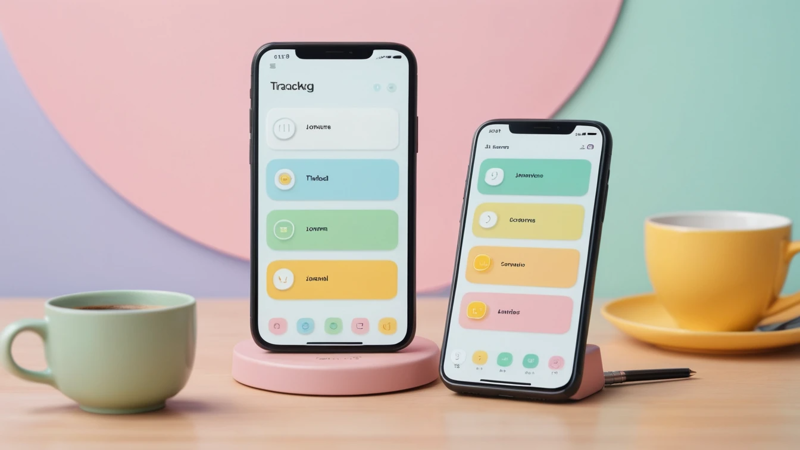
Apps to track mood and mental health daily help you understand emotions, reduce stress, and build healthy habits with ease.
Apps to track mood and mental health daily help you monitor emotions, identify patterns, and improve well-being. These apps use journaling, reminders, and analytics to support emotional balance and self-awareness in a simple, consistent way.
Apps To Track Mood And Mental Health Daily 😊
Ever feel like your mood changes without warning, and you can’t quite explain why?
Apps to track mood and mental health daily give you a simple way to understand your emotions. They help you log feelings, notice patterns, and build better habits over time. Whether you’re dealing with stress, anxiety, or just want more clarity, these tools make emotional tracking easy and practical.
Why Tracking Your Mood Matters 🧠
Tracking your mood daily can reveal patterns you might never notice otherwise. You start seeing what triggers stress, sadness, or happiness. This awareness gives you more control over your reactions and choices.
When you write things down, your brain processes emotions better. It’s like talking to yourself in a safe space. Over time, this habit can reduce anxiety and improve mental clarity.
How Mental Health Apps Work 📱
Most mental health apps use simple check-ins to track your mood. You select how you feel, add notes, and sometimes tag activities or events. This data builds a personal emotional timeline.
Many apps also include reminders and insights. They analyze your entries and show trends over days or weeks. This helps you connect your mood with your lifestyle habits.
Key Features To Look For 🔍
Not all apps are the same, so choosing the right features matters. Some focus on journaling, while others offer therapy tools or mindfulness exercises.
Here are important features to consider:
- Daily mood tracking
- Journaling options
- Reminders and notifications
- Data insights and charts
- Privacy and security
- Guided exercises or meditations
Best Apps To Track Mood And Mental Health ⭐
There are many great options available today. Each app offers unique tools based on your needs.
Popular apps include:
- Moodpath – Great for emotional check-ins
- Daylio – Simple and quick mood logging
- Sanvello – Focus on anxiety and stress
- Reflectly – AI-based journaling
- Bearable – Tracks mood alongside health
Comparison Of Popular Mood Tracking Apps 📊
| App Name | Best For | Key Feature | Ease Of Use |
| Daylio | Quick tracking | No typing needed | Very Easy |
| Reflectly | Journaling | AI prompts | Easy |
| Sanvello | Anxiety support | Therapy tools | Moderate |
| Bearable | Data tracking | Health correlations | Moderate |
Benefits Of Using Mood Tracking Apps 🌱
Using these apps daily can improve your mental health in many ways. They help you stay mindful and aware of your emotional state.
Some major benefits include:
- Better emotional awareness
- Reduced stress levels
- Improved mental clarity
- Stronger coping strategies
- Consistent self-reflection
How To Build A Daily Mood Tracking Habit 🔁
Consistency is key when using these apps. Without daily use, you won’t get accurate insights.
Start small by logging your mood once a day. Set a reminder at the same time each day. Over time, it becomes a natural part of your routine.
Mood Tracking Vs Journaling ✍️
Mood tracking and journaling are similar but not the same. Mood tracking is quick and structured. Journaling is deeper and more expressive.
The best approach is to combine both. Use mood tracking for quick entries and journaling when you need to explore emotions in detail.
Features That Improve Mental Health 🧘
Some apps go beyond basic tracking. They include tools that actively improve your mental health.
Look for features like:
- Guided meditations
- Cognitive behavioral therapy (CBT) tools
- Breathing exercises
- Gratitude journaling
These features turn the app into a full mental wellness system.
How Data Insights Help You Grow 📈
Seeing your mood data over time can be eye-opening. You might notice patterns linked to sleep, work, or social activity.
These insights help you make smarter choices. For example, if poor sleep leads to bad moods, you can focus on improving sleep habits.
Common Mistakes To Avoid ⚠️
Many people stop using mood tracking apps too soon. This limits their effectiveness.
Avoid these mistakes:
- Skipping daily entries
- Being inconsistent
- Not reviewing insights
- Choosing overly complex apps
Simple Daily Mood Tracking Routine 🗓️
| Time Of Day | Activity | Purpose |
| Morning | Quick mood check | Start awareness |
| Afternoon | Midday reflection | Track changes |
| Evening | Full entry + notes | Review your day |
Privacy And Security Concerns 🔒
Your mental health data is personal. Choosing a secure app is important.
Look for apps that offer encryption and password protection. Always check privacy policies before using any app.
Who Should Use Mood Tracking Apps 👥
These apps are helpful for almost everyone. You don’t need a mental health condition to benefit from them.
They are especially useful for:
- People dealing with anxiety or stress
- Students managing daily pressure
- Professionals balancing work and life
- Anyone seeking emotional clarity
Free Vs Paid Apps 💰
Many apps offer free versions with basic features. Paid versions usually unlock advanced tools.
| Feature | Free Version | Paid Version |
| Mood Tracking | Yes | Yes |
| Data Insights | Limited | Advanced |
| Guided Exercises | Limited | Full Access |
| Custom Reports | No | Yes |
Tips To Choose The Right App 🎯
Choosing the right app depends on your needs and preferences.
Follow these tips:
- Start with a simple interface
- Choose apps with reminders
- Test free versions first
- Look for positive user reviews
- Focus on long-term usability
How These Apps Improve Mental Wellness 💡
These apps work by building awareness and consistency. Over time, small daily entries create powerful insights.
“What gets tracked gets improved.” When you track your mood, you naturally start making better choices. This leads to long-term mental wellness and emotional balance.
Conclusion 🌟
Apps to track mood and mental health daily are powerful tools for self-awareness and growth. They help you understand emotions, identify triggers, and build healthier habits. With consistent use, these apps can transform how you manage stress and improve your overall well-being.
FAQs ❓
What is the best app to track mood daily?
The best app depends on your needs. Daylio is great for quick tracking, while Reflectly works well for journaling. Try a few options to see what fits your routine.
How do mood tracking apps help mental health?
They help you identify emotional patterns and triggers. This awareness improves decision-making and reduces stress. Over time, it builds better mental habits.
Are mood tracking apps safe to use?
Most apps are safe if they use encryption and secure storage. Always check privacy settings before using them. Avoid sharing sensitive data unnecessarily.
Can mood apps replace therapy sessions?
No, they are not a replacement for professional help. They support self-awareness and daily tracking. For serious issues, consult a licensed therapist.
How often should I track my mood daily?
Ideally, track your mood at least once or twice daily. Morning and evening entries work best. Consistency matters more than frequency.